
Image to Text (OCR) - Free Online
Extract text from any image online free. Use Image to Text (OCR) when a photographed note, sign, receipt, or document contains text that needs to become editable.
The page is built for students, researchers, support teams, and operators extracting copy from photographed material. It explains the right setting, shows what to inspect, and keeps the original file separate from the finished copy.
Preview & Output Workspace
🔒 Files are handled with privacy-first browser workflows where supported.
⚡ Most standard image operations complete in seconds on modern devices.
📁 Core export flows are designed for quick preview, review, and download.
Why Use Imgny's Image to Text (OCR)?
Strong tool pages need more than an upload box. They need clear benefits, realistic workflow guidance, and quick next steps.
OCR Guide in the browser
Image to Text (OCR) keeps the working flow close to the page: choose a file, adjust a sharp image crop around the text area before running OCR, preview the result, and download a new copy while the original remains untouched.
Practical context
Each page connects the tool to real publishing, handoff, sharing, or inspection tasks instead of relying on a bare upload form.
Connected workflow loop
The goal is editable text that can be copied into notes, tickets, documents, or spreadsheets for review. Imgny also points to nearby tools so the same image can continue into compression, conversion, resizing, review, or publishing without dead ends.
How to Use Image to Text (OCR) in 3 Steps
Keep the workflow simple: upload, process, confirm, and download.
Upload or enter the source input for Image to Text (OCR).
Adjust the visible setting for this workflow and run the browser operation.
Review the output panel carefully before downloading or copying the result.
Image to Text (OCR) Visual Examples
These simple white-background diagrams show the source file, the browser action, the output, and the way the result gets used in real work.
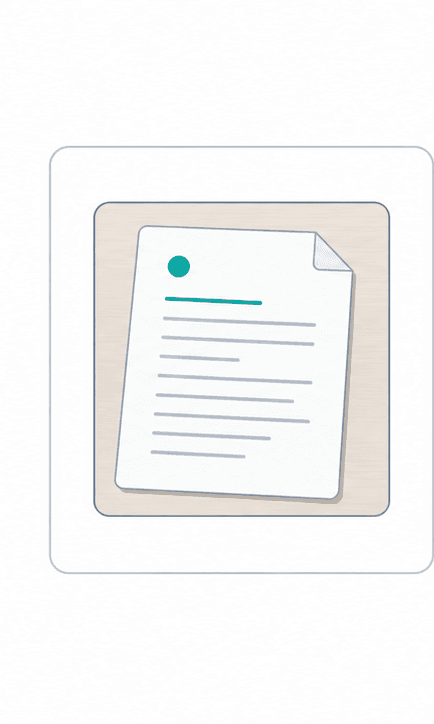
Text in an Image
OCR begins with a photographed note, receipt, or document that contains text you need in editable form.
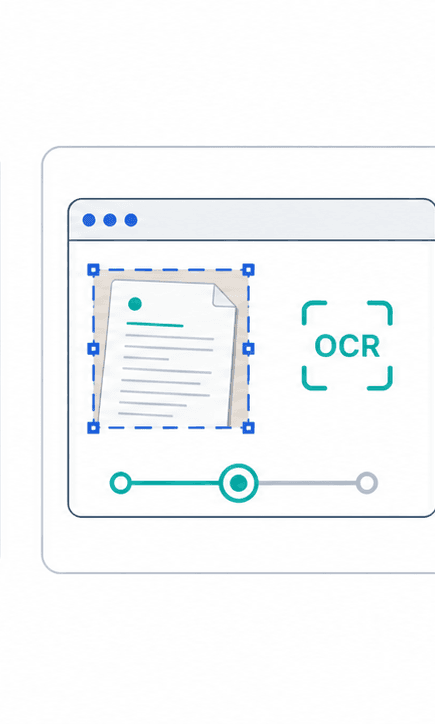
OCR Selection
Crop around the most relevant text area first so the extraction pass does not waste effort on unrelated background detail.
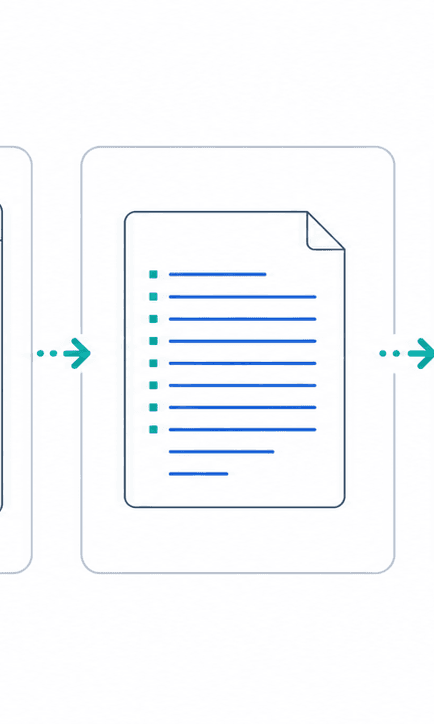
Extracted Copy
The output should turn the trapped text into something that can be copied, corrected, and reused in documents or notes.
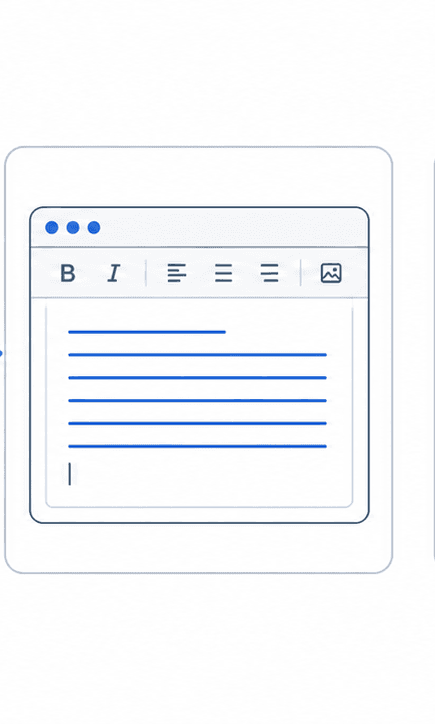
Editable Workflow
Preview the extracted copy in a writing or note-taking context where proofreading and cleanup will actually happen.
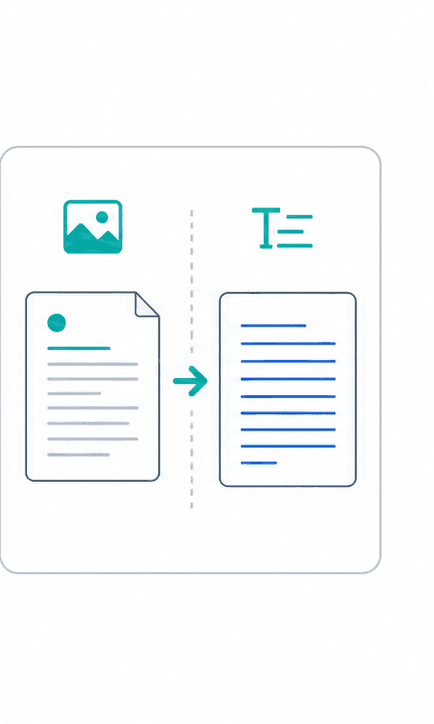
Image and Transcript
Keep the source image beside the extracted text so names, numbers, and line breaks can be checked before reuse.
About Image to Text (OCR)
Image to Text (OCR) is designed for students, researchers, support teams, and operators extracting copy from photographed material. It provides a clean, immediate interface to help you with a photographed note, sign, receipt, or document contains text that needs to become editable.
The output is editable text that can be copied into notes, tickets, documents, or spreadsheets for review. This allows you to quickly complete your work, review results side-by-side, and save your processed files instantly.
Quality, compatibility, and practical tradeoffs
This IMAGE to TEXT workflow is useful when the destination needs TEXT behavior, but the source IMAGE should still be kept for future edits.
OCR output should always be proofread before being used in financial, legal, or customer-facing work. Before downloading, check numbers, names, punctuation, and line breaks because OCR mistakes often hide in small details so the final asset is ready for the actual page, platform, document, or handoff where it will be used.
When to Use Image to Text (OCR)
The same tool can solve different problems depending on who is using it and where the finished asset needs to go.
Real photo workflow
A photographed note, sign, receipt, or document contains text that needs to become editable.
Research notes
Extract text from screenshots or scans so quotes, labels, and references can be searched or copied.
Admin cleanup
Turn receipts, forms, and photographed documents into text that is easier to review.
Study workflows
Move text from slides, whiteboards, or handouts into editable notes for later cleanup.
Image to Text (OCR) Quality Checklist
A fast image tool is most useful when the output is checked against the real publishing context. Use this checklist before treating the result as final.
For high-value work, compare the downloaded output with the original and keep both files until the asset has been approved in its final destination. That small habit prevents avoidable quality loss across repeated exports.
Confirm the source file is the best available version.
Check dimensions, format, and file size against the final channel.
Review the preview for blur, artifacts, cropped text, and color shifts.
Keep the original file until the output is approved.
Image to Text (OCR) FAQ
Short answers to the questions users usually ask before they commit to a file workflow.
Is Image to Text (OCR) free to use?
Yes. The image to text converter page is free to access and does not require signup.
Does Image to Text (OCR) work in the browser?
Image to Text (OCR) processes your images directly in your browser using secure client-side APIs, so you can preview and download the output instantly without uploading files to any server.
What should I check before using Image to Text (OCR) output?
numbers, names, punctuation, and line breaks because OCR mistakes often hide in small details. Confirm the source file is the best available version. Check dimensions, format, and file size against the final channel. Review the preview for blur, artifacts, cropped text, and color shifts. Keep the original file until the output is approved.
Who is Image to Text (OCR) best for?
Image to Text (OCR) is best for students, researchers, support teams, and operators extracting copy from photographed material. It is especially useful when a photographed note, sign, receipt, or document contains text that needs to become editable.
Will my original file be changed?
No. Imgny workflows create a new output or guidance path, so the original file on your device should remain available.
When should I convert IMAGE to TEXT?
Use this conversion when the destination needs TEXT compatibility or delivery behavior. Keep the IMAGE source if you may need to edit or export again later.
How can I improve OCR accuracy?
Use a sharp, high-contrast image, crop around the text, keep the page straight, and proofread names, numbers, and tables after extraction.
Related Image Tools
Move straight into the next step of the workflow with related conversion, compression, editing, or publishing tools.
Learn More About This Topic
Pair the tool with educational guides so users can understand the format choice, the quality tradeoffs, and the next best workflow.
How to Resize an Image Online in 30 Seconds
Resize an image online by choosing the final destination, entering the right dimensions, previewing sharpness, and downloading a separate copy.

How AI Background Removal Works (And Best Tools)
AI background removal is useful for product, profile, and creator images, but clean results still depend on lighting, contrast, and careful edge review.
How to Compress JPG Images Without Losing Quality
Compress JPG images by balancing file size and visible quality, then inspect faces, text, skies, and product edges before using the final copy.